When Thirst Catches Us Off Guard - Sunday, 03/08/2026

Scripture Reading: Psalm 63:1-8
Most of us don't recognize how thirsty we are until something forces us to stop. You finish a long day of meetings, or collapse into a chair after hours of running the kids to activities, or finally sit in the quiet after the house empties — and only then do you notice the dryness. Physical thirst is like that. So is the kind that lives deeper down.
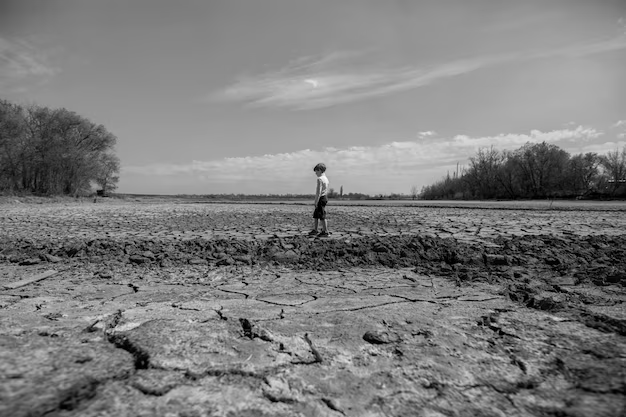
The writer of Psalm 63 knew this feeling well. The psalm is set in a desert, and the language is raw: a whole being longing, a parched land with no water. But notice — this isn't someone who has given up. It's someone who has learned to name what they're actually feeling. 'God, I am thirsty.' That honesty isn't weakness. It's the beginning of real prayer.
In the United Methodist tradition, we believe that God is always reaching toward us — that divine grace moves before we even know to ask. John Wesley called this 'prevenient grace,' the love of God that comes ahead of us. That means your thirst is not a sign that God has left. It may be the very way God is drawing you closer.
Thirst sneaks up on us — and not just physical thirst. Emotional, relational, and spiritual thirst can quietly build while we stay busy. The psalm invites us to name that dryness not with shame, but with honesty. 'You are my God, I seek you.' That sentence, spoken honestly from wherever you are today, is enough to begin.
Reflection Question
What area of your life feels most dry right now — and when was the last time you honestly named that to God?
Action Step
Set a phone alarm for a quiet moment today. When it goes off, say aloud or write: 'God, I am thirsty for ___.' Let yourself finish that sentence honestly.
Prayer
God, you know where I am parched. Help me name my thirst honestly instead of pretending I'm fine. Meet me in the dry places today.